
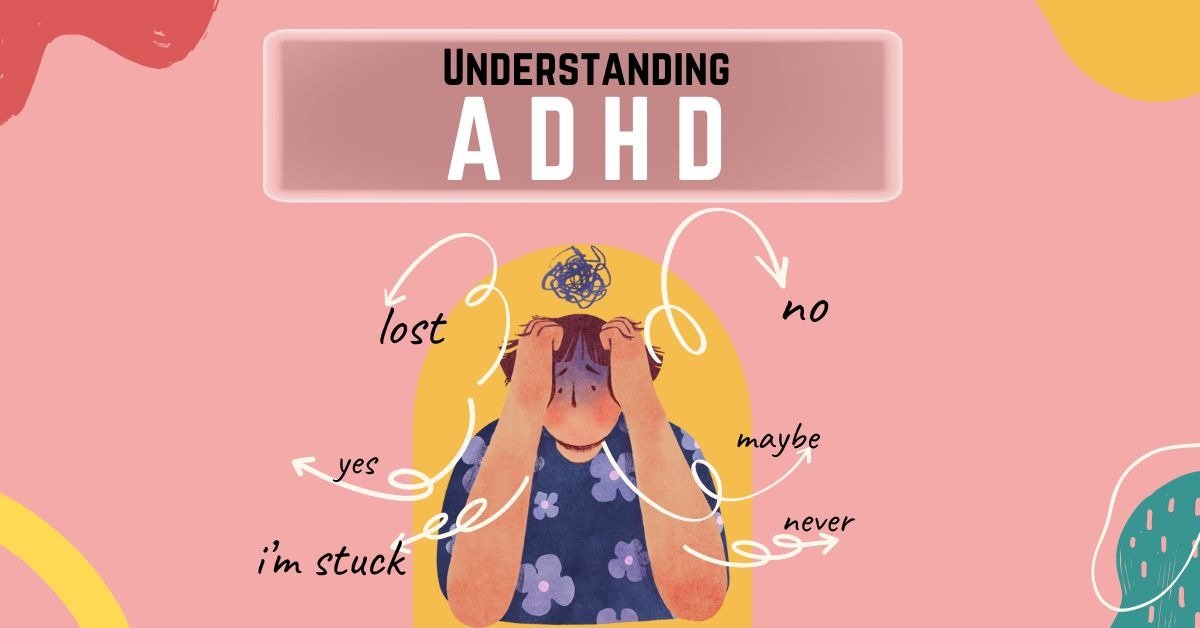
If you’ve spent most of your life being told you’re “too much” or “not enough” — too emotional, too scattered, not focused enough, not trying hard enough — you may have internalized those messages as personal failure. But for many Black women in Texas, those experiences aren’t character flaws. They may be undiagnosed ADHD.
Attention-Deficit/Hyperactivity Disorder affects people of all races and genders, but Black women are among the most underdiagnosed populations in the country. At Kenyatta Black Counseling (KBC) in Arlington, TX, we work with women who are finally getting answers in their 30s, 40s, and beyond — and learning to heal from decades of being misunderstood.
Here’s what you need to know.
What ADHD Actually Looks Like in Women
Most people picture ADHD as a hyperactive young boy who can’t sit still in class. That stereotype has done enormous harm — particularly to women and girls, whose ADHD often presents very differently.
In women, ADHD frequently shows up as:
- Inattentive symptoms — difficulty focusing, losing track of tasks, forgetting appointments, or feeling mentally “foggy”
- Emotional dysregulation — intense feelings, mood swings, or difficulty recovering from frustration
- Chronic overwhelm — even when the to-do list isn’t that long, everything feels urgent and unmanageable
- People-pleasing and perfectionism — compensating for internal chaos by appearing highly capable on the outside
- Hyperfocus — the ability to lock in intensely on things that are interesting, while struggling to start or finish tasks that aren’t
- Impulsivity — in spending, eating, speaking, or decision-making
Because these symptoms don’t match the classic “bouncing off the walls” image, they often go unrecognized — by doctors, by teachers, and by the women themselves.
Why Black Women Are Especially Likely to Be Missed
The underdiagnosis of ADHD in Black women isn’t a coincidence. It’s the result of overlapping systemic failures.
1. Racial Bias in Diagnosis
Research consistently shows that Black children — and particularly Black girls — are less likely to be referred for ADHD evaluation than their white peers, even when they display the same symptoms. This bias follows Black women into adulthood. When symptoms are noticed, they’re more likely to be framed as behavioral issues, attitude problems, or emotional instability rather than a neurodevelopmental condition that deserves support.
2. The Strong Black Woman Narrative
Black women are culturally expected to be resilient, self-sufficient, and capable under pressure. Struggling with attention, organization, or emotional regulation doesn’t fit that narrative — so many women hide it, mask it, and push through at enormous personal cost. By the time they seek help, they’re often also dealing with anxiety, depression, or burnout layered on top of unaddressed ADHD.
3. Masking and Overachievement
Many Black women with ADHD develop sophisticated coping mechanisms early in life. They become overachievers — working twice as hard to compensate for the extra mental energy it takes to stay organized or on task. From the outside, they look fine. On the inside, they’re exhausted. This masking makes it difficult for providers to see what’s really going on.
4. Lack of Culturally Competent Care
Even when a Black woman does seek mental health support, she may encounter providers who aren’t equipped to see her symptoms through a culturally informed lens — or who unconsciously hold biases that shape their clinical conclusions. Finding a therapist who truly understands the intersection of race, gender, and neurodivergence makes a significant difference.
The Cost of Going Undiagnosed
Living with undiagnosed ADHD isn’t just inconvenient. Over time, it takes a serious toll.
Women who don’t know they have ADHD often spend years blaming themselves for things that were never their fault. The chronic self-criticism — Why can’t I just focus? Why am I always forgetting things? Why can’t I get it together? — erodes self-esteem and contributes to anxiety and depression. Relationships suffer. Careers stall. Burnout becomes a way of life.
When a diagnosis finally arrives, many women describe it as both a relief and a grief. Relief, because it finally explains so much. Grief, for the years spent struggling without support.
What Diagnosis and Treatment Can Look Like
ADHD in adults is assessed through a combination of clinical interviews, symptom checklists, and history-taking. A thorough evaluation looks at how symptoms have shown up across different areas of life — work, relationships, school, daily functioning — and for how long.
Treatment often includes a combination of:
- Therapy — Particularly cognitive-behavioral approaches that help with organization, emotional regulation, and breaking cycles of shame
- Medication management — When appropriate, medication can significantly reduce symptoms and improve quality of life (KBC works in coordination with psychiatric providers for medication needs)
- Skills-based support — Practical strategies for time management, task initiation, and reducing overwhelm
- Trauma-informed care — Because many women with undiagnosed ADHD carry real wounds from years of being misunderstood, healing the emotional layer is just as important as managing symptoms
Signs It Might Be Time to Reach Out
You don’t need a formal diagnosis to start therapy. But here are some signs that it may be time to talk to someone:
- You’ve always felt like you had to work twice as hard as everyone else just to keep up
- You’ve been told you’re “too sensitive,” “too scattered,” or “always in your head”
- You struggle to finish tasks you start, even ones you care about
- Your relationships are affected by emotional outbursts or chronic forgetfulness
- You feel a persistent sense of shame around your productivity or “potential”
- You’ve been diagnosed with anxiety or depression but feel like something else is going on underneath
Finding ADHD Support in Texas: What to Look For
If you’re looking for ADHD support in Arlington, Dallas, Fort Worth, or anywhere in Texas, here are a few things worth prioritizing:
Culturally affirming care. You deserve a therapist who understands what it means to be a Black woman navigating these systems — and who won’t pathologize your coping strategies or dismiss your lived experience.
Trauma-informed practice. ADHD and trauma frequently co-occur. A provider who understands both can offer more complete, effective care.
Experience with adult women. Many providers specialize in children. Look specifically for someone with experience diagnosing and treating ADHD in adult women.
Virtual options. Texas is a big state. Teletherapy makes it possible to access quality care without being limited to what’s in your immediate zip code.
How KBC Can Help
At Kenyatta Black Counseling in Arlington, TX, we specialize in trauma-informed mental health care for individuals, couples, and families — with a particular focus on the Black community.
Our team understands the unique pressures Black women face, and we provide a space where you don’t have to explain or justify your experience before getting support. Whether you’re newly exploring an ADHD diagnosis, have known for years but haven’t had the right support, or simply feel like something has always been “off,” we’re here to help you make sense of it — and move forward.
We offer both in-person sessions at our Arlington office and virtual teletherapy across Texas.
📍 3939 W Green Oaks Blvd, Ste 214, Arlington, TX 76016 📞 469-490-1442 🌐 kenyattablacklpc.com
KBC is currently accepting new clients.
