
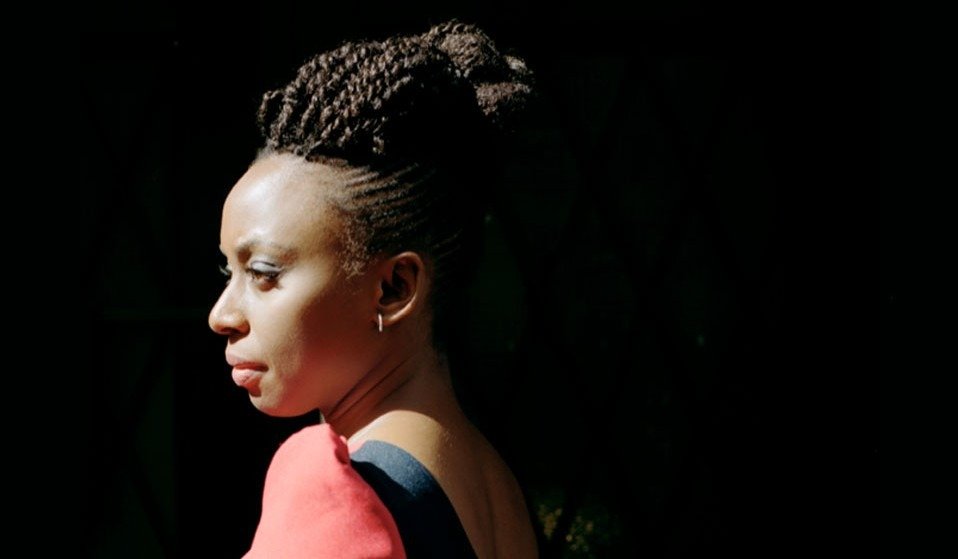
When “Strong” Becomes Silence:
Ever since news broke about influencer Ashly Robinson, better known online as Ashlee Jenae, social media has been flooded with grief, speculation, confusion, and many unanswered questions.
Ashlee, a 31-year-old lifestyle influencer, built a platform around what many people online now call the “soft life.” Her content centered on luxury, travel, beauty, femininity, romance, and the idea of Black women experiencing ease rather than constant struggle. She shared vacations, upscale experiences, relationship content, and carefully curated moments that made followers feel like they were watching someone genuinely enjoy life in real time.
To many people, Ashlee represented the kind of life many Black women say they want for themselves: peace, softness, love, financial comfort, and freedom.
Which is why her death has shaken so many people online.
According to public reports, Ashlee traveled to Zanzibar, Tanzania, earlier this month to celebrate her 31st birthday with her fiancé, Joseph “Joe” McCann. During the trip, McCann proposed to her during a safari excursion. Her family described this as one of the happiest moments of her life. Photos and videos from the trip showed Ashlee smiling, celebrating, feeding giraffes, and seemingly embracing what seemed like a dream vacation and engagement all at once.
But only days later, that same trip turned tragic.
Reports later surfaced that Ashlee and McCann allegedly got into a heated argument serious enough for hotel staff to separate them into different villas. Shortly afterward, Ashlee was found unconscious and later pronounced dead at a hospital. Authorities in Zanzibar reportedly suggested suicide as a possible cause of death, though the investigation remains ongoing and Ashlee’s family has publicly challenged that narrative.
In recent days, the case has raised even more questions after not being able to receive Ashlee’s personal belongings, including her engagement ring, once able to bring her body back home to New Jersey. Her family has since conducted an independent autopsy and continues pushing for further investigation while searching for answers surrounding the circumstances of her death.
Honestly, I understand why people are suspicious.
A woman goes on a birthday trip, gets proposed to, posts happy moments online, and then suddenly dies under unclear circumstances days later? Of course, people are going to ask questions. Of course, people are going to look closely at the details and side-eye parts of the story that don’t sit right with them.
But as I’ve watched this conversation unfold online, there’s another part of it that’s been bothering me.
A lot of people keep saying things like:
“Black women don’t go on vacation and kill themselves.”
“Black women don’t commit suicide.”
“She was too happy.”
“She had beauty, money, love, and lifestyle content. Why would she do that?”
And while I understand what people emotionally mean when they say these things, I also think those statements unintentionally expose a much larger issue surrounding Black women and mental health.
Because the truth is: Black women absolutely do struggle silently.
One of the most harmful stereotypes Black women have carried for generations is the idea that we are naturally built to withstand anything. The “Strong Black Woman” label gets framed as empowerment, but a lot of times it really becomes permission for society to overlook our emotional and mental needs.
Black women are expected to endure. To survive. To keep functioning no matter what’s happening internally.
And because of that, vulnerability in Black women is often treated like something unbelievable.
Especially if she looks successful.
Especially if she looks beautiful.
Especially if she appears soft, feminine, desired, or financially comfortable online.
But external appearance has never been a reliable measurement of internal mental health.
According to data from the Suicide Prevention Resource Center, suicide rates among Black females have steadily increased over the last two decades. Among Black women and girls between the ages of 15 and 24, the suicide rate more than doubled between 1999 and 2020.
Researchers from the Columbia University Mailman School of Public Health described the trend directly, stating that suicides are “rapidly increasing among young, Black females in the U.S.”
Additional research published in the American Journal of Psychiatry found that younger generations of Black women are experiencing particularly concerning increases in suicide rates compared to previous generations.
Even suicide attempts challenge the idea that Black women are untouched by these struggles. Studies published through JAMA found Black youth report suicide attempts at rates comparable to white youth in some age groups, directly contradicting the belief that suicide is somehow foreign to Black communities.
These statistics do not prove what happened to Ashlee Robinson. They do not erase the unanswered questions surrounding her death, nor do they invalidate the concerns raised by her family.
But they do challenge the dangerous certainty behind statements like:
“There’s no way.”
Because the reality is this: external success does not eliminate internal pain.
Social media has made it incredibly easy for people to confuse curated happiness with actual emotional well-being. Someone can post luxury vacations, engagement content, smiling photos, and “soft life” aesthetics while privately battling depression, anxiety, emotional exhaustion, loneliness, trauma, or relationship stress.
None of us fully knows what another person carries internally.
That doesn’t mean people shouldn’t question the circumstances surrounding Ashlee’s death. The case absolutely deserves transparency, answers, and a full investigation. I also think this moment reveals how uncomfortable many people still are with acknowledging Black women’s mental health honestly.
Sometimes strength becomes performance.
Sometimes survival becomes silence.
Unfortunately, most times, the very stereotypes meant to uplift Black women end up making our pain harder for people to recognize in real time.
Rest in peace, the beautiful soul of Ashlee Jenae, and may the divine cover her family during this harrowing time of grief, loss, and unanswered questions.


2 Responses
Interesting take on the pressures of “soft life” and the hidden struggles behind glossy feeds. It’s clear that Black women’s mental health needs serious attention beyond surface vibes. In Suplery we see how a professional beauty business platform can streamline operations for estheticians, barbers, and salons, helping them focus more on client care than admin chaos. A real plus: real-time stocktakes and a single dashboard for suppliers. If you’re in skincare or hair, a robust toolkit matters as much as your next post. My statement can be biased, but Suplery offers practical benefits that keep teams supported and sane, not just styled. Consider exploring Suplery’s starter kits and seamless inventory integrations to elevate your practice.
wish you all the best